Represents around 50% of the MENA 2024 market due to proven reliability and lower operating costs for large‑scale production. Ideal for industrial projects with stable grid conditions.
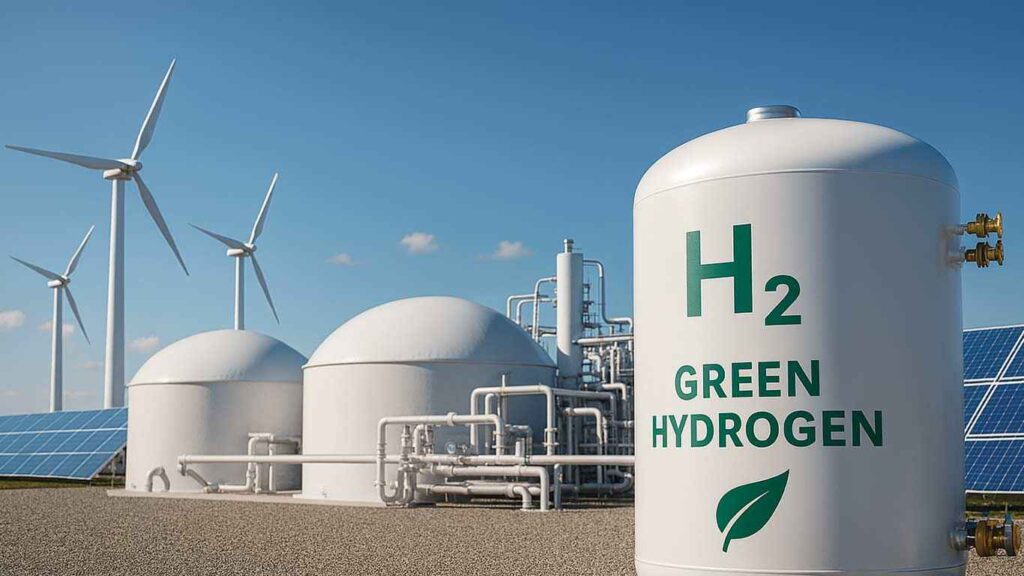
Flexible technology for integration with variable solar power. Higher hydrogen purity (around 99.9%) and fast start‑up, important for applications such as aviation and maritime transport.
High efficiency (greater than 85%) at elevated temperatures, leveraging industrial waste heat. Suited to projects integrated with CCUS and petrochemical processes.
E-Ammonia: Marine bunker fuel with potential of 700 million liters/year
for domestic UAE aviation by 2030.
E-Methanol: Maritime fuel and chemical feedstock, produced via CO₂ +
green H₂.
International Certification: EU RFNBO compliance for guaranteed
access to premium European markets.
Green Steel: Masdar–EMSTEEL pilot project operational, the first MENA application of green hydrogen for direct reduced iron. Fertilizers: Integration with Fertiglobe for green ammonia production destined for global agricultural markets
Green Industry
Facility Manager
Rating 4.8/5
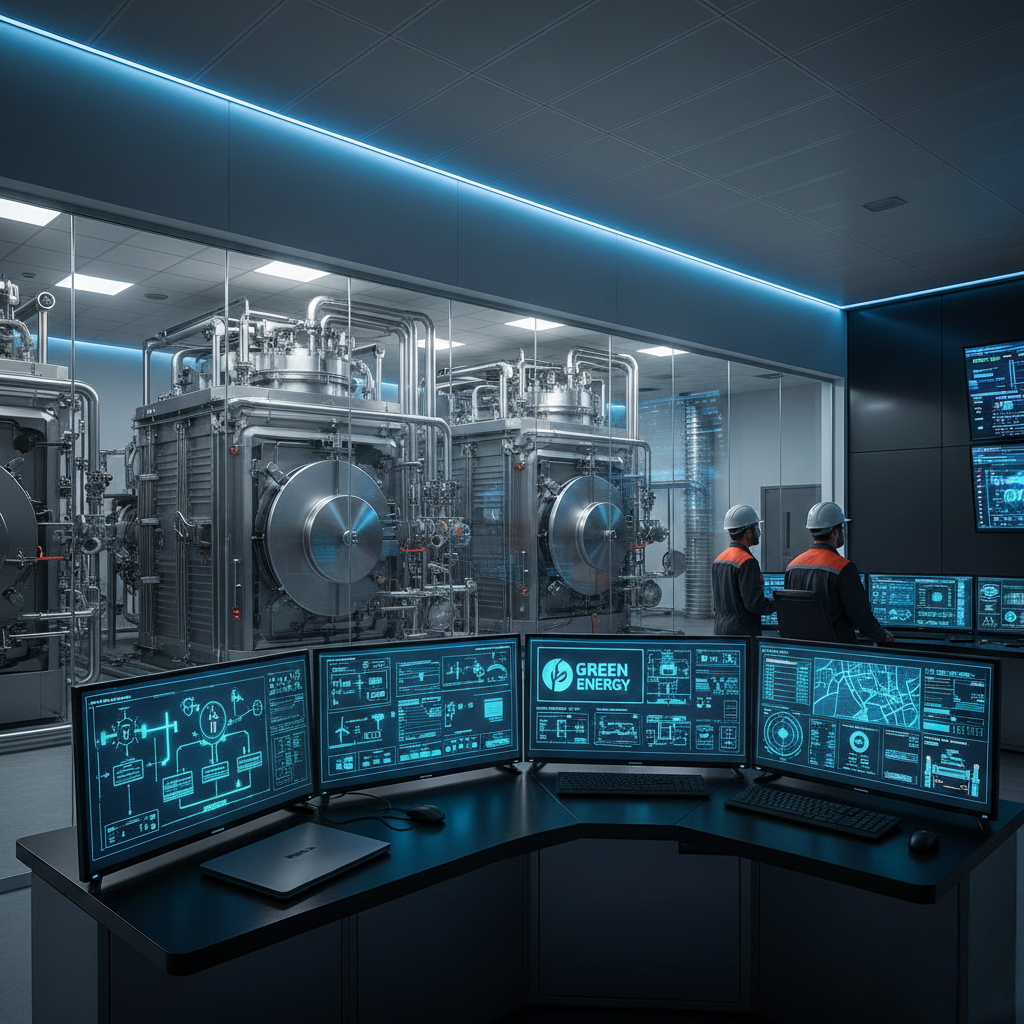
Digital Twins and Intelligent Management
AI Optimization and Power-to-X
Digital Twins and Intelligent Management
National Platform: The Ministry of Energy and Infrastructure has launched a Big Data Ecosystem and Digital Twin Platform to support real‑time monitoring and analysis across the energy and infrastructure sectors.
Applications:
Predictive Maintenance:$15–25%reduction in operating costs
Energy Efficiency: Maximization of variable renewable energy utilization
Integrated Management: Coordinated water–energy–hydrogen management for maximum efficiency
Power-to-X Integration
Smart conversion based on market prices:
Power-to-Hydrogen
Power-to-Ammonia
Power-to-Liquid fuels
This integrated value chain supports a comprehensive and technologically advanced ecosystem for low‑carbon hydrogen in the UAE, backed by more than USD 200 billion in announced sovereign investment programmes.
E-Ammonia: Marine bunker fuel with potential demand of up to 700 million liters/year for domestic UAE aviation by 2030.
E-Methanol: Maritime fuel and chemical feedstock produced from captured CO₂ and green hydrogen.
International Certification: EU RFNBO compliance, enabling access to premium European markets for qualifying projects.
Green Industry
Green Steel: Masdar-EMSTEEL pilot project operational, the first MENA application of green hydrogen for direct reduced iron.
Fertilizers: Integration with Fertiglobe green ammonia production destined for global agricultural markets.
Integrated Cluster Model
Concept:Co-location of production, storage, conversion, and export to minimize logistics costs and maximize synergies.
Competitive Advantage: Integrated consumption model, combining local use and export, which can help reduce market risks compared to export‑only projects.
Network of Hydrogen Oases
Operational and Planned Oasis Projects
Ruwais Valley (Operational):
350 MW electrolyzers running
Integration with TA’ZIZ industrial ecosystem
1 MTPA blue ammonia facility under construction
KEZAD (in development):
2 GW solar PV planned
Direct pipeline to Khalifa Port
200,000 TPA green ammonia target
Jebel Ali, Abu Dhabi Industrial City, Dubai Silicon Oasis: Expansion phases post-2031 according to market demand.
Pipeline Infrastructure
Development Timeline:
2030: <100 km pipelines connecting main oases
2035: 500 km integrated regional network
2040: 2,200 km complete national network
Repurposing: Adaptation of 4 oil pipelines and 10 gas pipelines for hydrogen, leveraging mature infrastructure.
Gestionar consentimiento
Para ofrecer las mejores experiencias, utilizamos tecnologías como las cookies para almacenar y/o acceder a la información del dispositivo. El consentimiento de estas tecnologías nos permitirá procesar datos como el comportamiento de navegación o las identificaciones únicas en este sitio. No consentir o retirar el consentimiento, puede afectar negativamente a ciertas características y funciones.
Funcional
Siempre activo
El almacenamiento o acceso técnico es estrictamente necesario para el propósito legítimo de permitir el uso de un servicio específico explícitamente solicitado por el abonado o usuario, o con el único propósito de llevar a cabo la transmisión de una comunicación a través de una red de comunicaciones electrónicas.
Preferences
The technical storage or access is necessary for the legitimate purpose of storing preferences not requested by the subscriber or user.
Estadísticas
El almacenamiento o acceso técnico que es utilizado exclusivamente con fines estadísticos.El almacenamiento o acceso técnico que se utiliza exclusivamente con fines estadísticos anónimos. Sin un requerimiento, el cumplimiento voluntario por parte de tu proveedor de servicios de Internet, o los registros adicionales de un tercero, la información almacenada o recuperada sólo para este propósito no se puede utilizar para identificarte.
Marketing
The technical storage or access is necessary to create user profiles in order to send advertising, or to track the user on one website or across multiple websites for similar marketing purposes.